About
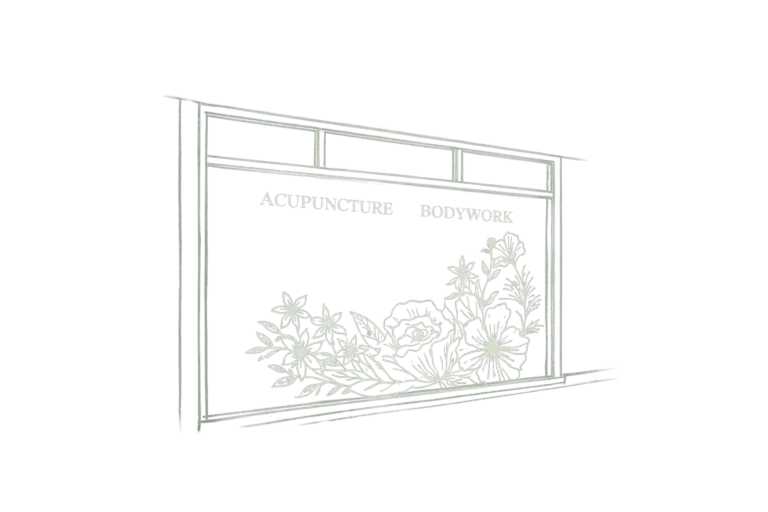
Our acupuncture clinic was founded in the heart of Honolulu, HI, Dao Del Mar was born from a vision to support individuals navigating physically and mentally demanding lifestyles. We understand that modern life can be stressful, often leading to burnout and injury.
Our sanctuary is designed to offer a peaceful space where you can experience and learn about ancient healing practices, helping you build a strong foundation for your own healing journey.
Whether you are seeking relief from pain or a boost in overall wellness, we are here to help you feel at ease and free in your body.
My name is Giuliana, I began my practice back in 2017, starting with massage in a small office. Over the years, I have evolve my practice into a holistic space, blending manual therapy and East Asian medicine, including acupuncture, herbal elixirs, and tonic herbs.
My aim has always been to provide high-quality care while continuously refining my skills and exploring new techniques. I have a special interest in classical Chinese medicine and a Daoist perspective that considers not just the primary organs but all the channels and complementary pathways.
Dao Del Mar is not just an acupuncture clinic, it is a community space. We have created a place where we can host gatherings and events that support healing, from sound healing and breathwork to seasonal ceremonies honoring the cycles of life.
We partner with a network of like-minded practitioners such as chiropractors, massage therapists, and more to offer a truly integrated approach. We are here not just to treat, but to build a community where everyone feels welcome and supported.
Our services
At Dao Del Mar, when we say East Asian Medicine, we’re referring to a comprehensive, ancient system of healing rooted in the traditional medical practices of China, Japan, and Korea. This includes acupuncture, herbal medicine, moxibustion, cupping, bodywork, and dietary therapy. An approach designed to support the body’s natural ability to heal and restore balance.
While the term Chinese Medicine is often used interchangeably, we choose East Asian Medicine to honor the broader cultural and historical contributions across the region, and to move thoughtfully away from outdated language that may carry stigma.
We believe that true healing is a process, not a quick fix. Unlike a pill or a surgery that may only manage symptoms, East Asian medicine is about addressing the root causes of imbalance and restoring the body’s natural harmony over time. We aim to shift the paradigm away from quick fixes and toward a more holistic, sustained approach to wellness.
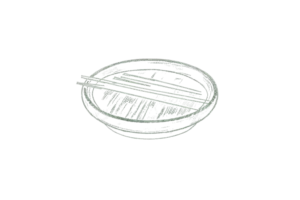
Acupuncture is based on the concept that the body has energy channels, or meridians, which can become blocked and lead to pain or illness. By inserting fine needles into specific points along these channels, acupuncture aims to restore balance and promote the body’s natural healing.
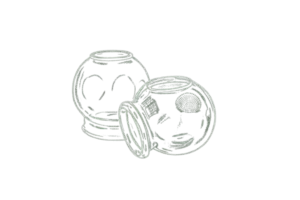
Fire cupping is a traditional therapy where glass cups are briefly heated with flame and then placed on the skin to create suction.
This gentle suction helps improve circulation, relieve muscle tension, and promote healing in the underlying tissues.
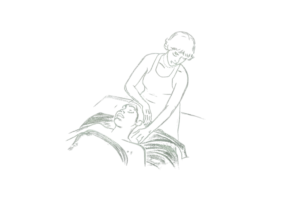
Therapeutic bodywork is a specialized style of massage that helps release adhesions and blockages in our fascial system. Our fascia is interconnected around our body and its fibers run along with many of the channels or meridians of the body. Repetitive strain, trauma or injury can cause pain and discomfort by creating blockages or adhesions in the tissue. Each treatment is unique and depending on each individual’s response, it might take several treatments to restore the balance and circulation of the tissues.
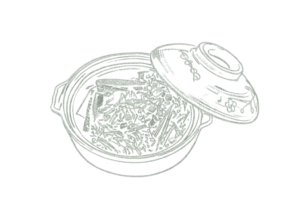
We offer a range of Chinese herbal medicine forms, including tinctures, topicals, ointments, capsules, powders, and bulk herbs. Our focus is on tonic herbs that support the body’s vitality and longevity, helping you maintain overall wellness.
FAQ
Acupuncture
How does acupuncture work?
Acupuncture is based on the understanding that the body has an internal network of energy pathways, often referred to as meridians. When circulation within these pathways is disrupted, pain, tension, or illness can arise. By inserting very fine, sterile needles at specific points, acupuncture helps restore proper circulation, regulate the nervous system, and support the body’s natural healing processes.
Can acupuncture help my condition?
Acupuncture is commonly used to support musculoskeletal pain, stress, anxiety, headaches, digestive issues, sleep disturbances, hormonal balance, and recovery from injury. During your intake, we assess your health history, lifestyle, and goals to determine whether acupuncture is appropriate for you and how it can best support your condition.
How long does it take to see results?
This varies depending on the nature of the condition. Acute issues may respond quickly, sometimes within a few sessions. Chronic or long-standing conditions typically require a series of treatments. Healing is a process, and consistency is key.
Does acupuncture hurt?
Acupuncture needles are extremely thin, much finer than a hypodermic needle. Sensations vary and may include a brief pinch, heaviness, warmth, tingling, or a dull ache. These sensations are generally short-lived and are considered part of the therapeutic response.
Cupping
How does cupping work?
Cupping uses suction to lift tissue, increase local blood flow, and release stagnation in muscles and connective tissue. This helps reduce tension, improve circulation, and support recovery from pain or overuse.
Is cupping painful?
Cupping should not be painful. You may feel strong pressure or a pulling sensation, especially in areas of tension. We always adjust the suction to your comfort level.
Why do cupping marks appear?
Cupping marks are not bruises. They are signs of increased blood flow and the release of stagnation in the tissue. The color and intensity vary depending on the area and the individual.
How long do cupping marks last?
Marks typically fade within a few days to one week, occasionally up to two weeks. They are temporary and completely harmless.
Therapeutic Bodywork
Why are some points more sensitive during bodywork?
Tenderness often indicates areas of tension, restriction, or reduced circulation. These areas may correspond to muscular trigger points, fascial restrictions, or acupuncture meridians. Sensitivity is not a sign of damage but of tissue that needs attention.
Can I feel sore after a bodywork session?
Yes. Mild soreness or fatigue for 24–48 hours can occur, especially after deep or therapeutic work. This is similar to post-exercise soreness and usually resolves quickly with hydration, rest, and gentle movement.
Does deep tissue have to be very painful to be effective?
No. This is a common myth. Effective bodywork does not require excessive force. Pressure is subjective, and deeper is not always better. The goal is to work with the nervous system, not against it. Too much pressure can cause the body to guard and limit results.
How is your bodywork approach different?
Our work integrates myofascial release, anatomy-based techniques (including anatomy trains), and acupuncture meridian theory. The focus is on releasing restrictions, improving tissue quality, and restoring healthy movement patterns rather than forcing change through pain.
How should I prepare for my session?
Eat a light meal 1–2 hours before your appointment
Stay hydrated
Wear comfortable clothing
Avoid intense exercise immediately before treatment
Arrive with an open mind and clear communication about your goals
What should I do after acupuncture or bodywork?
After treatment, your body is in a more open and receptive state. To support the effects of your session, we recommend that you:
Drink plenty of water
Avoid strenuous exercise for the rest of the day
Allow time for rest and integration
Avoid exposure to cold and wind, such as air conditioning, cold ocean water, cold showers, or strong fans, especially around the neck and upper back
Keep the body warm and covered after treatment
Pay attention to how your body feels over the next 24–48 hours
From an East Asian medicine perspective, acupuncture and bodywork open the channels and increase circulation. Exposure to cold or wind immediately after treatment may counteract these effects and reduce the overall benefit of your session.
Do you take insurance?
Our acupuncture clinic is in network with American Specialty Health (ASH) for acupuncture services only. Coverage depends entirely on your individual plan. Some insurance plans include benefits for complementary medicine such as acupuncture, massage therapy, and chiropractic care. It is your responsibility to confirm that your plan specifically covers the service you are scheduling.
How do I know if my plan covers acupuncture or massage?
Before your appointment, please contact your insurance provider directly and confirm:
That your plan covers acupuncture and/or massage therapy
The number of visits allowed per year
Any copays, deductibles, or authorization requirements
Which insurance plans commonly offer complementary medicine benefits?
Many plans administered through American Specialty Health (ASH) offer acupuncture benefits.
HMAA plans may provide coverage for both acupuncture and massage therapy, depending on the specific plan.
Coverage varies, and benefits are not guaranteed without verification.
Do you accept Veterans benefits?
Yes. We serve Veterans through Community Care referrals for acupuncture and massage therapy. Veterans must obtain an approved referral from their VA Community Care provider prior to scheduling.
What if my insurance does not cover my treatment?
If your plan does not include coverage or if benefits are exhausted, services may be paid privately.